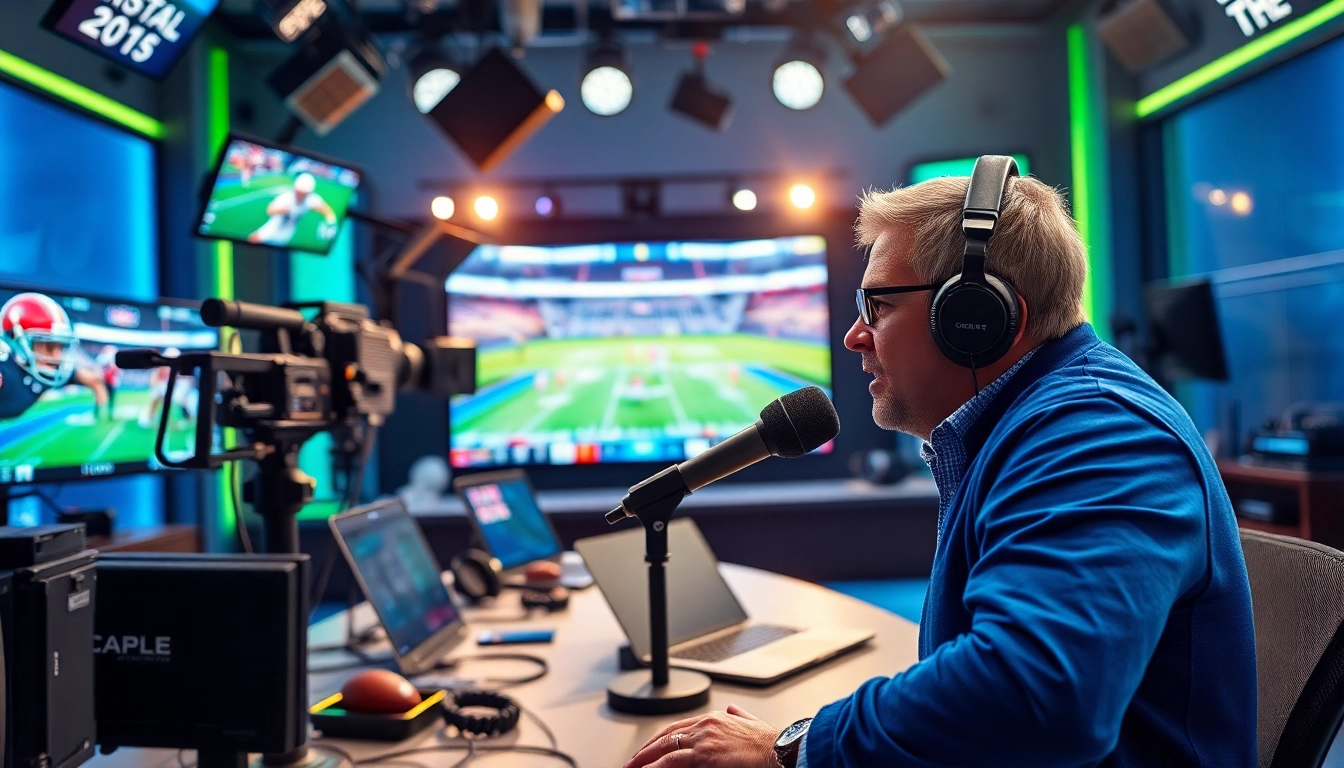
Understanding the Basics of Sports Broadcasting
What is Sports Broadcasting?
Sports Broadcasting is a specialized area within the media industry that focuses on the coverage of sports events, showcasing matches, analysis, highlights, and interviews. It serves as a bridge connecting fans to their favorite sports, offering real-time updates and immersive experiences. With the rise of digital platforms, Sports Broadcasting has evolved, integrating television, radio, and online streaming formats that reach audiences worldwide.
Key Roles in Sports Broadcasting
In the realm of Sports Broadcasting, several pivotal roles contribute to delivering comprehensive sports coverage:
- Broadcasters: The individuals who deliver the commentary during live matches, providing play-by-play descriptions and analysis.
- Producers: They oversee the creation of sports content, managing both pre and post-event coverage, ensuring everything runs smoothly.
- Cameramen: Responsible for capturing the action from various angles, providing a dynamic viewing experience.
- They process video footage, creating highlights, packages, and recaps for audiences to enjoy.
- Graphics Operators: These team members manage visual elements, including on-screen stats and scores, enhancing the information presented on screens.
Types of Sports Broadcasting Formats
Sports Broadcasting comes in various formats, each designed to cater to specific audience preferences:
- Live Telecasts: Offering real-time coverage of sports events, these broadcasts are the most traditional form, designed for immediate viewer engagement.
- Highlights Packages: Compilations of key moments from games allow fans to catch up on the action they missed.
- Talk Shows: These provide analysis and discussions surrounding recent events, often featuring guest analysts or former athletes.
- Documentaries: In-depth films exploring the lives and careers of athletes or specific events within sports.
- Streaming Services: Growing in popularity, these platforms offer flexibility and accessibility, allowing fans to watch whenever and wherever they choose.
Essential Equipment and Technology in Sports Broadcasting
Broadcasting Equipment Overview
A successful sports broadcast relies heavily on specific equipment that can capture high-quality audio and video. Here’s a breakdown of essential broadcasting equipment:
- Cameras: Multi-angle cameras allow broadcasters to capture every moment of a game from various perspectives.
- Audio Gear: High-fidelity microphones and sound mixers are crucial for delivering clear commentary and ambient sound from the venue.
- Switchers: These devices manage various video feeds, allowing producers to alternate between different camera angles during a broadcast.
- Graphics Hardware: Used to create dynamic visuals, including player stats and scores, adding a layer of professionalism to broadcasts.
- Transmission Equipment: Essential for sending the broadcast signal to viewers, including satellite and online streaming setups.
Technology Advancements in Sports Broadcasting
The landscape of Sports Broadcasting continues to innovate through technological advancements:
- High-Definition (HD) and 4K Broadcasting: These technologies enhance the viewing experience by providing crystal-clear images.
- VR and AR Integration: Virtual and augmented reality offer immersive experiences, allowing fans to see streams in new interactive ways.
- AI Analytics: Artificial intelligence helps in analyzing viewer preferences and player statistics, allowing for tailored content.
- Mobile Streaming: With the popularity of smartphones, broadcasters now offer apps for viewing sports events on the go.
Choosing the Right Software for Broadcasting
Selecting the right software is crucial for effective Sports Broadcasting. Some software options to consider include:
- Streaming Software: Programs like OBS Studio or Wirecast allow for easy live broadcasting and multi-platform streaming.
- Video Editing Software: Tools like Adobe Premiere Pro or Final Cut Pro enable post-production editing for highlight reels and packages.
- Graphic Creation Software: Programs such as Photoshop or After Effects are vital for creating eye-catching graphics and animations.
- Analytics Tools: Platforms that provide insights on audience engagement and content performance can help steer future content strategies.
Creating Engaging Content for Sports Broadcasting
Storytelling Techniques in Sports
Storytelling is a powerful tool in driving viewer engagement. Effective sports broadcasters employ various techniques to capture and retain interest:
- Character Development: Focusing on athletes’ backgrounds and personal journeys can create emotional connections with viewers.
- Conflict and Resolution: Highlighting the ups and downs of sports events adds an element of drama and suspense.
- Visual Storytelling: Utilizing imagery and video effectively can communicate emotions and intensify the viewing experience.
Engaging Your Audience with Interactive Features
Interactivity enhances viewer engagement. Here are some methods to incorporate interactive features:
- Live Polls: Engaging the audience through real-time polls during broadcasts adds a layer of participation.
- Q&A Sessions: Allowing viewers to submit questions for analysts or athletes during games fosters a community feel.
- Fantasy Sports Integration: Incorporating fantasy sports elements can enable deeper fan investment in games.
Using Social Media to Enhance Viewer Experience
Social media platforms are essential for modern Sports Broadcasting. They can enhance viewer experiences significantly:
- Real-Time Updates: Providing instant updates on scores and game highlights keeps fans engaged.
- Behind-the-Scenes Content: Sharing exclusive moments gives fans a deeper connection to teams and players.
- Fan Engagement: Utilizing social media for viewer feedback and questions enhances the interactive aspect of broadcasts.
Building a Brand in Sports Broadcasting
Establishing Your Broadcasting Identity
Creating a unique broadcasting identity is critical for standing out. Key components include:
- Visual Branding: Consistent graphics, logos, and color schemes help viewers recognize your brand.
- Voice and Tone: Establishing a distinctive style in commentary and presentation can cultivate a loyal audience.
- Unique Content Offerings: Developing niche content that highlights underrepresented sports or stories can set you apart.
Marketing Strategies for Broadcasters
Effective marketing strategies can amplify reach and engagement:
- Content Marketing: Regularly producing blogs, podcasts, and videos can attract more viewers to your broadcasts.
- Cross-Promotions: Partnering with other media entities or brands can widen your audience base.
- Email Marketing: Sending newsletters with game schedules and exclusive content can keep your audience informed and engaged.
Collaborating with Athletes and Influencers
Collaborations can enhance your visibility and brand presence:
- Interviews and Features: Highlighting athletes through interviews can attract their fanbase to your platform.
- Sponsorship Opportunities: Partnering with influencers for co-branded content can increase credibility and audience reach.
- Charity Events: Engaging in community events with athletes can foster goodwill and generate positive publicity.
Measuring Success in Sports Broadcasting
Key Performance Indicators for Broadcasters
To gauge success, specific metrics are essential:
- Viewership Numbers: Tracking how many people tune in for broadcasts highlights overall audience interest.
- Engagement Rates: Evaluating how viewers interact with content, including comments, shares, and votes.
- Time Spent Viewing: Understanding how long audiences watch your broadcasts provides insights into content effectiveness.
Analyzing Viewer Engagement Metrics
Monitoring viewer engagement metrics aids in optimizing future content strategies:
- Audience Demographics: Analyzing who watches your content helps tailor future programming to meet viewer preferences.
- Feedback Surveys: Collecting viewer responses can provide invaluable insights into what content resonates the most.
- Social Listening: Observing conversations around your broadcasts on social media can reveal viewer sentiments and preferences.
Adapting Content Based on Feedback
Continuous improvement is key in Sports Broadcasting:
- A/B Testing: Regularly testing different content styles can identify what resonates best with the audience.
- Flexibility: Being willing to change strategies based on audience feedback ensures relevance and engagement.
- Trend Awareness: Keeping up with current trends can help guide content development, making it more aligned with viewer interests.
Frequently Asked Questions
What is the future of Sports Broadcasting?
The future of Sports Broadcasting includes 4K streaming, virtual reality experiences, and increased interactivity through social media and apps.
How to get started in Sports Broadcasting?
Start by gaining experience through internships, creating a portfolio, networking with professionals, and honing your commentary and production skills.
What role does social media play in Sports Broadcasting?
Social media enhances viewer engagement by providing real-time updates, community interaction, and behind-the-scenes access to events and athletes.
How is audience engagement measured in Sports Broadcasting?
Metrics such as viewership numbers, social media interactions, and feedback surveys are essential for measuring audience engagement effectively.
What are key challenges in Sports Broadcasting?
Key challenges include high competition, technological advancements, maintaining viewer interest, and adapting to feedback to improve overall content quality.